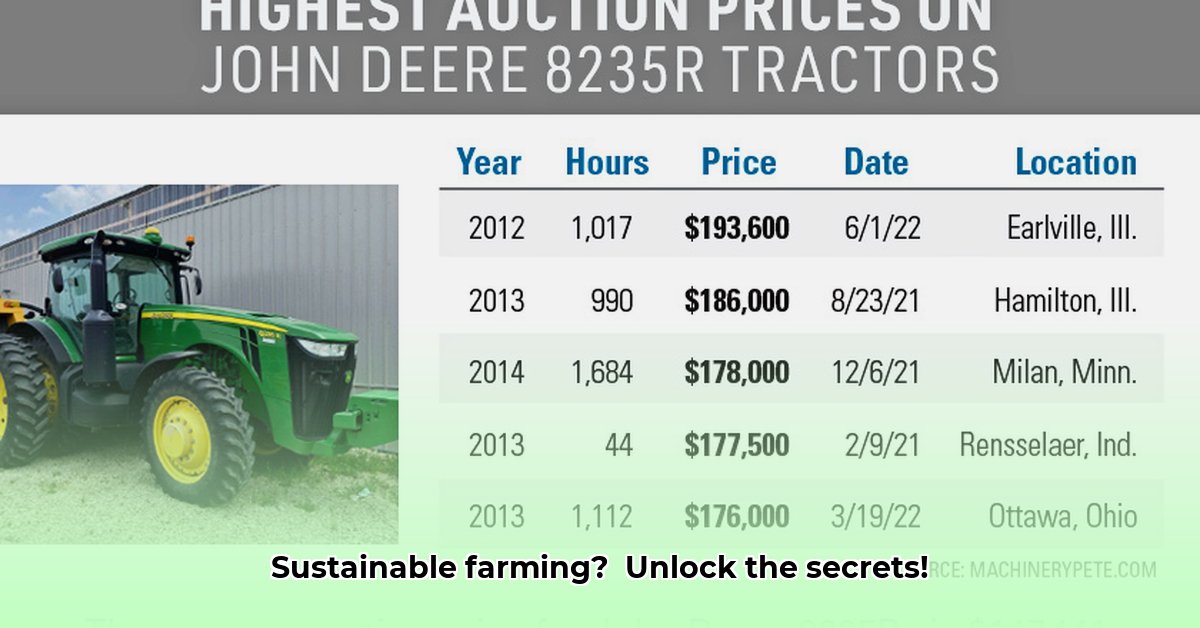
Buying a farm tractor is a significant investment impacting your farm's profitability and environmental footprint. This guide helps you understand the costs involved, make informed decisions, and build a sustainable farming operation. For more tractor information, see this helpful tractor resource.
Understanding Tractor Costs: Beyond the Sticker Price
The price of a farm tractor is multifaceted. Several key factors influence the final cost:
Size and Horsepower: Larger, more powerful tractors are more expensive initially but may offer long-term labor savings. A small tractor suitable for a few acres will cost significantly less than a high-horsepower model for extensive acreage.
Brand: Established brands like John Deere and Case IH often command higher prices than lesser-known manufacturers. This reflects brand reputation, parts availability, and dealer support.
Age and Condition: A new tractor offers longevity and warranty coverage, resulting in higher upfront costs. Used tractors offer lower initial investment but may need more frequent maintenance and repairs, increasing long-term expenses. A thorough inspection is crucial when evaluating used equipment.
Attachments: Essential implements such as plows, seed drills, and loaders greatly impact the overall cost. Selecting only necessary attachments aligns your investment with your farming practices.
Technology: Advanced features like GPS guidance systems and auto-steer enhance efficiency but increase the initial price. Modern precision farming technologies can boost long-term returns, but require a careful cost-benefit analysis.
New vs. Used Tractors: A Comparative Analysis
Choosing between new and used tractors involves carefully weighing the benefits and drawbacks:
| Feature | New Tractor | Used Tractor |
|---|---|---|
| Initial Cost | Significantly higher | Significantly lower |
| Maintenance | Generally lower initially; can increase over time | Potentially higher, dependent on condition |
| Warranty | Usually comprehensive | Often limited or nonexistent |
| Technology | Latest features | Older technology; may be less efficient |
| Resale Value | Typically depreciates more slowly | Depreciates faster |
A new tractor offers peace of mind through warranties and cutting-edge technology, but demands a substantially higher upfront investment. Used tractors cost less initially, but potential maintenance and repair costs might outweigh this saving in the long run. A thorough pre-purchase inspection is vital when choosing a used tractor.
Financing Your Tractor Purchase: Exploring Your Options
Financing is pivotal in most tractor purchases. Several options are available:
Farm Credit Loans: Banks and credit unions offer specialized loans designed for agricultural equipment with competitive interest rates tailored to farmers' needs.
Equipment Leases: Leasing provides lower monthly payments, but the total cost over the lease term often exceeds the purchase price.
Government Subsidies and Grants: Explore local, state, and federal programs that support sustainable farming practices, potentially reducing your financial burden. These often have eligibility requirements and application deadlines.
Always compare interest rates, repayment terms, and eligibility criteria before deciding on a financing plan.
Choosing the Right Attachments: Enhancing Efficiency and ROI
Attachments significantly expand a tractor's functionality, but each adds to the overall investment. A methodical approach is necessary:
Identify Essential Tasks: List the essential tasks your tractor will perform regularly.
Prioritize Necessary Attachments: Purchase only those attachments directly supporting your core farming operations.
Avoid Impulse Purchases: Resist the temptation to add unnecessary attachments that increase costs without contributing to productivity.
Technological Considerations: Precision Farming and Long-Term Returns
Precision farming technologies such as GPS guidance and auto-steer initially increase costs. However, they often lead to significant long-term gains by:
- Optimizing Resource Use: Reducing fuel consumption, fertilizer application, and pesticide use.
- Improving Yields: Enhanced planting accuracy and targeted treatments boost crop production.
While the initial investment is considerable, the long-term ROI potential, albeit difficult to quantify precisely upfront, is significant. Thoroughly research and understand the technology before investing.
Sustainable Practices and Cost: Environmental Stewardship and Economic Viability
Sustainable farming practices align environmental responsibility with economic efficiency:
Fuel-Efficient Tractors: Lower fuel consumption translates to direct cost savings and a reduced carbon footprint.
Reduced Tillage: Minimizes soil disturbance, improving soil health and reducing fuel needs.
Precision Farming: Optimizes resource use, reduces waste, and enhances yields, boosting profitability while protecting the environment.
While investing in fuel-efficient equipment and precision technology can necessitate higher upfront costs, the long-term economic and environmental benefits justify the investment.
Budgeting and Calculating ROI: A Strategic Financial Plan
Before purchasing, create a detailed budget that comprehensively accounts for:
- Purchase Price: The tractor's base cost, including any applicable taxes.
- Financing Costs: Interest payments and loan origination fees.
- Attachments: The cost of all necessary implements.
- Maintenance and Repairs: Estimates of routine maintenance and potential repairs over the tractor's lifespan.
- Insurance: Annual insurance premiums.
- Fuel: Projected annual fuel costs.
Calculate ROI by comparing total revenue (increased yields and labor savings) against total expenses. This provides a clear picture of your investment's financial viability. Remember that unexpected repair costs can significantly impact ROI, so factoring in a contingency fund is crucial.
Resources and Further Information
Consult your local agricultural extension office for customized guidance. Manufacturer websites provide specifications and pricing information. Explore government websites for potential financial assistance programs. A well-researched decision ensures a successful and sustainable farming operation.